
Personal Care Workers (PCWs) and Personal Care Assistants (PCAs) are the backbone of Australia's aged care and disability support sectors. They provide the hands-on, day-to-day care that enables older Australians and people with disability to live with dignity, comfort, and as much independence as possible.
If you are considering a career as a PCA, or if you are already working in the role and want to understand your opportunities better, here is a comprehensive overview of what the role involves, what qualifications you need, and where the career can take you.
What Does a PCA Do?
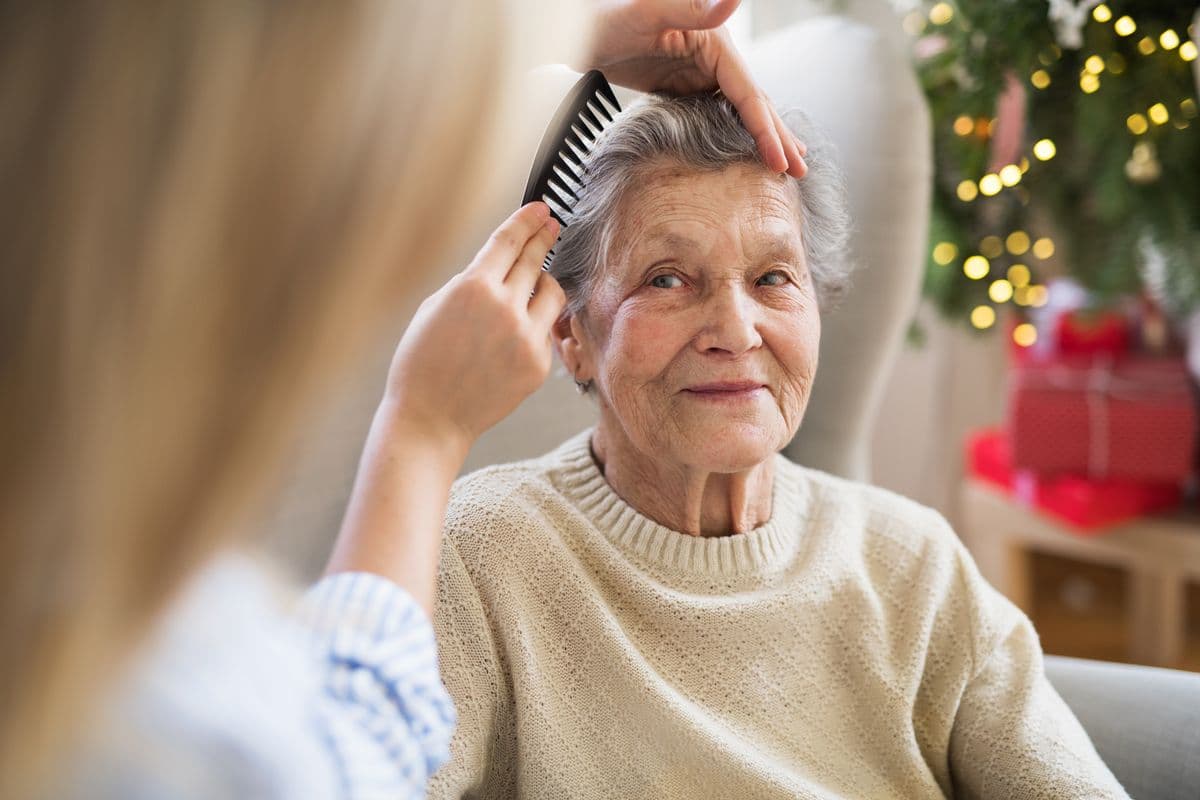
Personal Care Assistants provide direct care and support to residents in aged care facilities, clients in their homes, and participants in disability services. Daily responsibilities typically include:
- Assisting with personal hygiene — showering, dressing, grooming, and toileting
- Supporting mobility — helping residents move safely, use mobility aids, and prevent falls
- Meal preparation and assistance with eating and drinking
- Monitoring and reporting changes in a resident's condition
- Providing companionship and emotional support
- Assisting with social and recreational activities
- Maintaining documentation and care records
The work is physically and emotionally demanding, but it is also deeply rewarding. PCAs often develop close relationships with the people they care for and their families, and many describe their work as genuinely meaningful.
Qualifications Required
The standard qualification for PCA work in Australia is the Certificate III in Individual Support (CHC33021), with specialisation in either ageing or disability. This qualification is offered by registered training organisations (RTOs) across Australia and typically takes six to twelve months to complete, including a mandatory placement component.
The Certificate III covers essential knowledge and skills including:
- Person-centred care principles
- Communication and teamwork in a care setting
- Infection prevention and control
- Work health and safety
- Supporting independence and wellbeing
- Recognising and responding to signs of abuse or neglect
In addition to the Certificate III, most employers require a current national police check, and roles involving NDIS participants require an NDIS Worker Screening Check. A valid first aid certificate is also commonly requested.
Essential Skills
Beyond formal qualifications, successful PCAs share a common set of personal qualities and skills:
- Empathy and compassion — the ability to understand and respond to the feelings and needs of others
- Patience — working with elderly or disabled individuals requires calm, unhurried care
- Communication skills — clear, respectful communication with residents, families, and the care team
- Physical fitness — the role involves manual handling, assisting with mobility, and being on your feet for extended periods
- Reliability — residents and facilities depend on PCAs showing up on time and ready to work
- Attention to detail — noticing changes in a resident's condition, following care plans accurately, and maintaining thorough documentation
Work Settings
PCAs work across a range of settings in Australia, including:
- Residential aged care facilities — the most common setting, providing 24-hour care for older Australians
- Home care — supporting clients in their own homes under the Commonwealth Home Support Programme or Home Care Packages
- Disability support services — working with NDIS participants in group homes, day programs, or community settings
- Hospitals — some PCAs work in hospital settings, particularly in rehabilitation and geriatric wards
Agency work offers the opportunity to experience multiple settings and find the one that best suits your skills and preferences.
Career Benefits
Working as a PCA offers several benefits that are often underappreciated:
- Job security — demand for PCAs in Australia significantly exceeds supply, and this gap is projected to grow as the population ages
- Flexible working arrangements — particularly through agency work, PCAs can choose shifts that fit their lifestyle, including morning, afternoon, evening, and weekend shifts
- Meaningful work — few careers offer the same level of direct, personal impact on another person's daily life
- Pathway to further qualifications — many PCAs go on to study enrolled nursing or registered nursing, using their hands-on experience as a foundation
Growth Opportunities
A PCA role is not a dead end — it is a starting point. With experience and further study, career progression options include:
- Senior PCA or team leader roles — taking on supervisory responsibilities within a facility
- Enrolled Nurse (EN) — completing a Diploma of Nursing to expand your scope of practice
- Registered Nurse (RN) — completing a Bachelor of Nursing for the broadest range of career opportunities
- Specialised support roles — such as dementia care, palliative care, or behaviour support
Barton Care is actively recruiting Personal Care Assistants for aged care facilities across Victoria. View current PCA opportunities or contact us to discuss your next step.